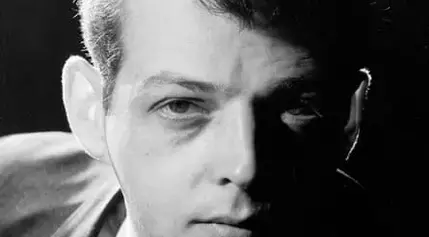
The Visionary Behind the Iconic Sounds of the 60s: Remembering Shel Talmy
2025-11-11
38.1K
3.4K
994
Shel Talmy, the legendary music producer who left an indelible mark on the sound of the 1960s, has passed away at the age of 87. Talmy's contributions to some of the most beloved and influential rock and pop recordings of the era are truly unparalleled, cementing his legacy as a true pioneer in the industry.
Crafting the Soundtrack of a Generation
The Kinks and the Birth of a Raucous Revolution
Shel Talmy's journey in the music industry began in Hollywood's Conway Studios, where he honed his skills producing early pop, R&B, and surf-craze music. However, it was his fateful trip to the UK in 1962 that would truly shape his legacy. Hired by Decca Records under false pretenses, Talmy quickly proved his worth, helming the production of some of the most iconic tracks of the decade.One of Talmy's most significant achievements was his work with the Kinks. Recognizing the raw potential of the up-and-coming band, Talmy helped secure their deal with Pye Records and produced their early releases, including the groundbreaking "You Really Got Me." Talmy's innovative production techniques, which included hiring a pre-Led Zeppelin Jimmy Page to play rhythm guitar, captured the raucous energy of the track, propelling it to the top of the UK charts and cementing the Kinks' place in rock history.Talmy's collaboration with the Kinks continued for several years, with the producer helming a string of their biggest hits, including "Sunny Afternoon," "Tired of Waiting for You," and "Dedicated Follower of Fashion." His ability to translate the band's raw, rebellious spirit into chart-topping success was a testament to his keen understanding of the evolving musical landscape.
Unleashing the Power of The Who
Shel Talmy's impact on the music industry extended far beyond the Kinks. His work with The Who was equally transformative, as he helped shape the band's early sound and propel them to stardom. Inspired by Talmy's production on "You Really Got Me," Pete Townshend wrote "I Can't Explain" specifically to convince the producer to work with the band.Talmy's collaboration with The Who resulted in a string of hits, including "I Can't Explain," "Anyway, Anyhow, Anywhere," and the era-defining "My Generation." His ability to capture the band's raw, punkish energy in the studio was a crucial factor in their success, as he helped translate the band's rebellious spirit into a sound that resonated with a generation.Beyond the singles, Talmy also produced The Who's landmark album "My Generation," which contained those hits as well as other Townshend originals and covers of James Brown and Bo Diddley. However, a dispute with the band's manager and producer, Kit Lambert, ultimately led to a breakdown in the working relationship.
Shaping the Sounds of the British Invasion
Shel Talmy's influence extended far beyond his work with the Kinks and The Who. He left an indelible mark on the British Invasion, producing hits for a diverse array of artists, including Manfred Mann, the Creation, and the Easybeats.Talmy's production work with Manfred Mann resulted in a string of Top Five hits, including "Semi Detached," "Suburban Mr James," and "Ha! Ha! Said the Clown," as well as their successful cover of Bob Dylan's "Just Like a Woman." His innovative approach to guitar work, such as the use of a violin bow on the Creation's recordings, further cemented his reputation as a visionary in the studio.Talmy's impact on the British folk revival was equally significant, as he produced landmark albums for Pentangle and Roy Harper. His ability to seamlessly blend genres and push the boundaries of traditional sounds was a testament to his versatility and forward-thinking approach.
Discovering and Nurturing Emerging Talent
Shel Talmy's contributions to the music industry extended beyond his production work. He was also a keen talent scout, responsible for discovering and nurturing some of the most influential artists of the era. His work with a young David Bowie, producing two singles with the Manish Boys and Davy Jones & the Lower Third, was a testament to his eye for talent and his willingness to take risks.Talmy's ability to identify and cultivate emerging artists was a crucial aspect of his legacy. By providing a platform for these musicians to hone their craft and reach new audiences, he played a vital role in shaping the musical landscape of the 1960s and beyond.
The Decline and Resurgence of a Visionary
After a prolific and groundbreaking career during the 1960s, Shel Talmy's involvement in the music industry began to wane. Disillusioned by the increasingly corporate nature of the industry in the early 1970s, he stepped away from production, taking on only occasional projects for acts such as Coven, Vicki Brown, and Fuzztones.However, Talmy's legacy never truly faded. In the years that followed, his contributions to some of the most iconic recordings of the 1960s were recognized and celebrated. His archivist, Alec Palao, eloquently summed up Talmy's enduring impact, stating, "Even the briefest survey of the most essential pop and rock recordings of the 1960s would need to include something Shel produced. That in itself is an incredibly meaningful legacy … Talmy was truly a one-off."As the music world mourns the loss of this visionary producer, Shel Talmy's influence will continue to reverberate through the generations, inspiring countless artists and producers to push the boundaries of what's possible in the studio.