

Joint pain can significantly impact daily life, affecting simple movements and overall comfort. Many seek effective solutions to alleviate this discomfort, turning to various remedies. Historically, glucosamine and chondroitin were popular choices, though their efficacy in treating osteoarthritis remains debated among researchers. Today, collagen supplements have emerged as a prominent contender, frequently endorsed by social media influencers for their potential benefits beyond skin and hair, particularly for joint health. This shift in focus prompts a deeper investigation into the scientific backing and practical applications of collagen for maintaining strong, healthy joints. Understanding the different types of collagen, how supplements interact with the body's natural processes, and integrating these insights with other lifestyle choices like diet and exercise, are crucial for making informed decisions about joint care.
The human body relies heavily on collagen, the most abundant protein, with Type II playing a vital role in the health and structural integrity of articular cartilage within joints. This specialized collagen is crucial because, once damaged or depleted—a natural consequence of aging and factors like increased body mass or trauma—the body struggles to repair it. This degradation can lead to common issues such as stiffness, restricted movement, and persistent pain, characteristic of degenerative arthritis. While collagen supplements hold promise for stimulating natural production and potentially restoring cartilage, the scientific community emphasizes the need for more conclusive research. Alongside supplementation, incorporating protein-rich foods, engaging in regular, appropriate exercise, and maintaining a healthy weight are recognized as foundational, evidence-based strategies for enhancing collagen synthesis and supporting long-term joint health.
Collagen, the predominant protein in the human body, constitutes approximately 30% of total protein mass in most mammals, playing a critical role in the structural integrity of various tissues. Among its 28 identified types, Type II collagen is uniquely vital for joint health, primarily found in articular cartilage. This specialized cartilage, essential for smooth joint movement, possesses limited self-repair capabilities, especially after skeletal maturity. As a natural part of the aging process, this cartilage can break down, leading to common issues like stiffness, reduced range of motion, and chronic discomfort. Factors such as increased body mass and physical trauma can accelerate this degradation, making the cartilage more vulnerable due to changes in water content and collagen organization. The potential of Type II collagen supplements lies in their ability to stimulate the body's natural collagen production, aiming to preserve or reconstruct damaged cartilage and thereby mitigate the effects of degenerative arthritis.
The efficacy of collagen supplements for joint health remains an active area of research, with growing evidence suggesting potential benefits, particularly for skin elasticity, muscle maintenance, and joint function. While some early studies, such as a 2016 investigation on knee pain, showed promising results, the limited sample sizes highlight the need for more extensive and rigorously designed clinical trials to establish definitive therapeutic guidelines. The scientific community is keen on understanding the precise link between collagen's composition, chemical structure, and its mechanisms of action in various clinical conditions. Despite the ongoing research, collagen supplements are generally considered safe, with Type II collagen often available in powder, capsule, or liquid forms. Users typically report noticeable improvements after consistent intake over 8 to 12 weeks. Consulting a healthcare provider before starting any new supplement is advisable, particularly for individuals with allergies or dietary restrictions, to ensure it aligns with their health needs and existing medical regimen.
Beyond supplementation, several natural approaches can significantly contribute to boosting collagen production and supporting overall joint health. A fundamental strategy involves increasing the intake of protein-rich foods, as collagen itself is a protein. Consuming sufficient protein is crucial for individuals recovering from musculoskeletal injuries or those looking to maintain joint integrity. Foods like skin-on chicken, bone broths, and whole fish (such as sardines) are excellent natural sources of collagen. While the body's absorption rate of dietary collagen can vary, incorporating these foods into one's diet provides essential amino acids necessary for collagen synthesis. Furthermore, collagen production is reliant on key micronutrients, including vitamin C, zinc, and copper, underscoring the importance of a balanced, nutrient-dense diet to complement any collagen-boosting efforts.
Regular physical activity is another powerful natural method to stimulate collagen production and enhance joint health. Both resistance training and cardiovascular exercises have been shown to encourage collagen synthesis. When muscles are actively engaged, they tend to hypertrophy (grow larger), which in turn supports increased collagen production. Although research on exercise's direct impact on osteoarthritis pain is still developing, engaging in low-impact activities can help maintain joint mobility and strength without exacerbating existing discomfort. Moreover, managing body weight effectively is one of the most evidence-based interventions for improving joint health. Excessive weight places additional stress on joints, accelerating wear and tear. Reducing body fat can significantly lower the risk and progression of osteoarthritis. While collagen supplements may offer an additional layer of support, prioritizing a nutrient-rich diet, consistent exercise, and weight management forms the cornerstone of a comprehensive strategy for healthy and pain-free joint function.

Understanding the Nuances of Carbonated Beverages: Sparkling Water, Seltzer, Club Soda, and Tonic
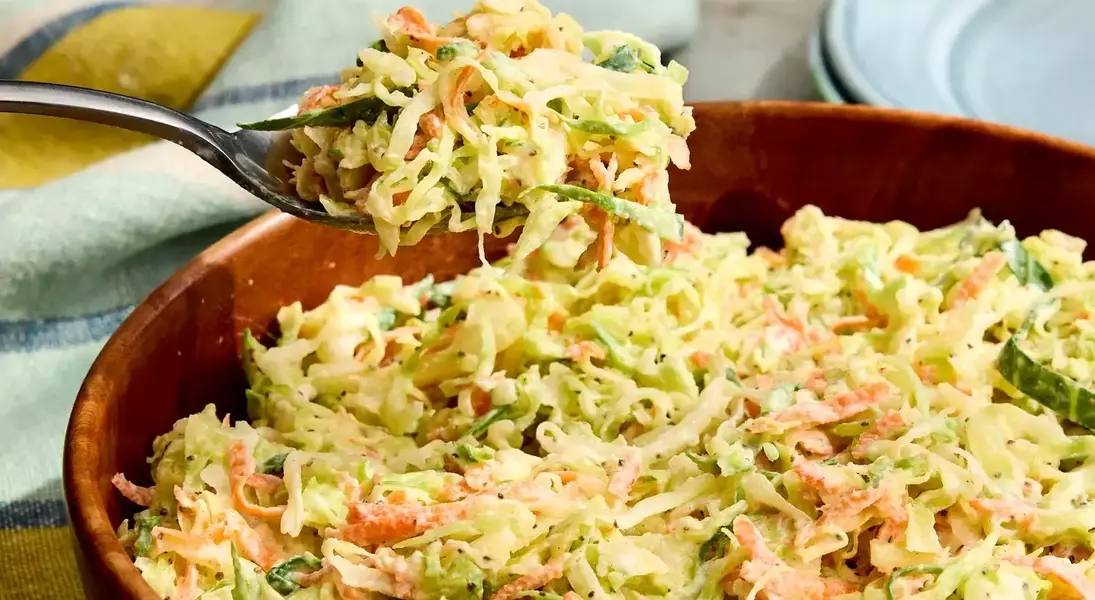
Delicious Make-Ahead Salads for Your Summer Gatherings

Exploring Diverse Chicken Sandwich Creations

Crafting a Refreshing Spicy Cucumber-Jalapeño Limeade

Effortless Lemon-Blueberry Delight: A One-Bowl Snack Cake

Hearty Vegetable Cacciatore
Author Mark Bittman calls this his "kitchen-sink" version of cacciatore. While he offers you specific amounts and ingredients, he says you could use just about any vegetable you have on hand ready to use up.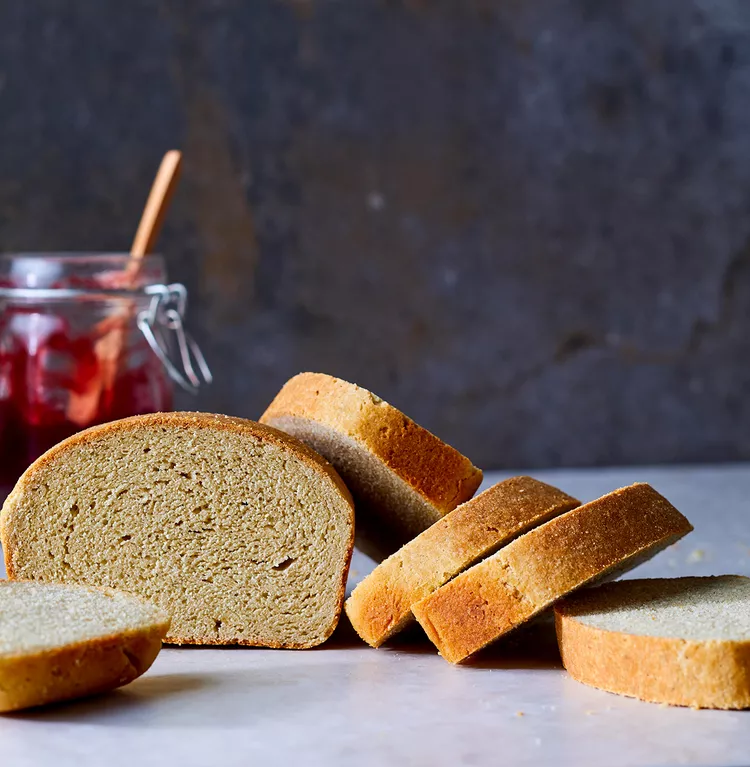
Gluten-Free White Bread
There are many recipes out there for gluten-free bread, but finding a gluten-free white bread recipe is trickier. With help from our gluten-free flour mix and some added oat flour you can create a homemade bread without gluten for all your sandwich needs.
16 Vegetarian High-Protein Recipes the Entire Family Will Enjoy
These vegetarian high-protein recipes (each with 15 or more grams of protein) prove that meatless eating is tasty and nutritious.
7 Delicious Gluten-Free Snacks the Whole Family Will Devour
We rounded up our favorite gluten-free snack ideas to take on the go, serve to the kids after school, or enjoy at your next gathering.
Cauliflower-Corn Tacos with Pico Verde
Make your taco night meat-free and fuss-free with this easy slow cooker recipe. These veggie-filled tacos pair perfectly with our fresh avocado salsa and some crumbled queso fresco.
These Easy Gluten-Free Peanut Butter Cookies Call for Just 3 Ingredients
Our easy gluten-free peanut butter cookies only require three ingredients.
19 Vegetarian Summer Recipes to Showcase the Flavors of the Season
When it comes to easy-prep, fresh vegetarian summer recipes, these are the dishes you'll crave all season.
14 Gluten-Free Desserts That Are Seriously Delicious
Enjoy naturally gluten-free desserts such as rice pudding or flourless chocolate cake. Or use our gluten-free flour mix for gluten-free baked goods.
5 Christmas Food Trends to Try This Year
Our 2023 Christmas food trends have a little gift for everyone. Prefer to stay cozy in your slippers? You’ll love our Christmas food trends that nod to French onion soup and baked brie. Or if you’re all about the sparkle, dress up your Christmas menu with caviar or an easy wine cocktail recipe everyone's talking about.
This Smoked Mole-Inspired Turkey Is Juicy and Flavorful
For this smoked turkey recipe, we concocted a rub using spices typically found in a traditional Mexican mole (a rich chocolate-chili sauce), including cocoa, cinnamon, cumin, and chili powder. If you don’t have a smoker, you can still use the warm spice combo on a roasted turkey.
Easter Egg Fruit Pizza
Give your fruit pizza a holiday twist by shaping and decorating like an Easter Egg. This easy fruit pizza recipe will be a hit at your Easter brunch.
Halloween Oreo Balls
Boo! These Oreo ball ghosts will be a hit at your Halloween party.
34 Cute Halloween Cupcakes with Deliciously Spooky Decorations
These extra-special Halloween cupcakes will be remembered long after the spooky decorations are taken down. Try our trick-or-treat-ready recipes.
33 Pumpkin Recipes You Can Make for Every Day of Fall
There's pumpkin pie—but pumpkin cheesecake, pumpkin curry, and pumpkin soup might just surprise you as new favorites. From dinner to dessert, healthy to indulgent, quick to time-consuming, these are the pumpkin recipes you should be making this holiday season.
Mediterranean Spatchcock Turkey Serves up Crispy Skin and Juicy Meat
Lemon slices, garlic, and lots of fresh oregano, sage, and thyme tucked all around the bird and slipped under the skin deliver bright Mediterranean flavor to this spatchcock turkey recipe.

